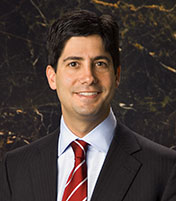
Kevin Warsh at the Fed: What His Nomination Means for Interest Rates
The prospect of Kevin Warsh potentially stepping into the powerful role of Federal Reserve Chair has sent ripples through economic circles and financial markets alike. As a figure with a unique history at the central bank and an evolving economic philosophy, a potential
Warsh Fed Chair nomination by former President Trump signals a significant potential shift in the direction of U.S. monetary policy, particularly concerning interest rates. This article delves into Warsh's background, his changing views, and the profound implications his leadership could have on everything from borrowing costs to inflation and the Fed's cherished independence.
The Man Behind the Nomination: Who is Kevin Warsh?
Kevin Warsh, at 55 years old, brings a distinct blend of experience from both the financial sector and public service. He served on the Federal Reserve Board of Governors from 2006 to 2011, making him the youngest governor ever appointed at the age of 35. During his tenure, Warsh was deeply involved in the Fed's response to the 2008-09 Great Recession, a period that fundamentally reshaped global monetary policy.
Before his time at the Fed, Warsh honed his expertise as an economic aide in George W. Bush’s administration and as an investment banker at Morgan Stanley. This background provided him with a practical understanding of market dynamics and policy implementation. Currently, he is a fellow at the Hoover Institution, a conservative think tank, and a lecturer at Stanford Graduate School of Business, positions that have kept him at the forefront of economic discourse and thought leadership.
Warsh's early career at the Fed was marked by a reputation as a monetary "hawk," a term used to describe officials who prioritize controlling inflation, often advocating for higher interest rates. He famously voiced concerns about the potential for inflation to rise due to the Fed's aggressive low-interest-rate policies during and after the financial crisis, even though inflation remained subdued for an extended period. This historical stance is crucial for understanding the present discussions surrounding his potential nomination. To learn more about his professional journey and early views, refer to
Meet Kevin Warsh: Trump's Nominee for Federal Reserve Chair.
A Shifting Stance: From Rate Hawk to Potential Low-Rate Advocate
Perhaps the most intriguing aspect of Kevin Warsh's potential nomination as
Warsh Fed Chair is his apparent evolution on interest rate policy. Despite his earlier "hawkish" leanings, Warsh has recently expressed support for lower interest rates in public speeches and opinion pieces. This shift is particularly noteworthy given former President Trump's consistent advocacy for very low rates to stimulate economic growth and his past criticisms of the Fed's rate hikes under Jerome Powell.
This evolution from a traditional inflation hawk to someone seemingly more aligned with an accommodative monetary policy could be attributed to several factors. Economic conditions change, and what was appropriate during one crisis might not be for another. Alternatively, it could reflect a strategic alignment with Trump's broader economic agenda, which Warsh has reportedly supported, including policies like deregulation and government spending cuts that he believes could help mitigate inflation without needing higher rates. This alignment makes him a more attractive candidate for a president looking for a Fed chair who is "friendly to markets" and shares a vision for dramatically cutting interest rates.
The implications of such a philosophical pivot from a potential
Warsh Fed Chair are immense. If confirmed, it would signal a departure from his own historical stance and potentially a significant change from current Fed policies. Understanding this journey is key to anticipating future monetary decisions. For a deeper dive into his changing perspectives, check out
Kevin Warsh: From Rate Hawk to Trump's Low-Rate Ally?.
Potential Impact on Interest Rates and Economic Policy
The Federal Reserve Chair holds one of the most powerful economic positions globally, directly influencing interest rates, inflation, employment, and banking regulations. If Kevin Warsh becomes the next
Warsh Fed Chair, the implications for interest rates would be profound and widespread.
1. **Borrowing Costs:** The most immediate and tangible impact for ordinary Americans would be on borrowing costs. Fed rate decisions directly affect the interest rates on mortgages, car loans, credit cards, and business loans. A Fed under Warsh, particularly if he pushes for lower rates as Trump desires, could mean:
* **Lower Mortgage Rates:** Making homeownership more affordable for prospective buyers and potentially enabling existing homeowners to refinance at better terms.
* **Cheaper Consumer Loans:** Reducing the cost of financing vehicles and managing credit card debt, potentially stimulating consumer spending.
* **Reduced Business Borrowing Costs:** Encouraging companies to invest, expand, and hire, contributing to economic growth.
However, rapid and significant rate cuts could also spark concerns about overheating the economy or exacerbating inflation, potentially leading to market volatility.
2. **Inflation Dynamics:** Warsh's past warnings about inflation are in direct contrast with a potential push for lower rates. While he has recently supported Trump's policies, which some argue could reduce inflation, there's a delicate balance. The Fed's dual mandate is to achieve maximum employment and stable prices. A move towards consistently lower rates might stimulate employment but could reignite inflation concerns if not carefully managed, especially in an already robust economy.
3. **Fed Independence and White House Influence:** Former President Trump has openly attempted to influence the Fed's decisions in the past, a move that challenges the central bank's traditional independence from political pressures. A
Warsh Fed Chair, especially one perceived as aligning closely with the White House's economic agenda, could lead to concerns about diminished independence. While the Fed is legally independent, the perception of political influence can impact market confidence and the central bank's credibility.
4. **Broader Economic Effects:** Beyond interest rates, the Fed's policies impact employment levels, financial market stability, and banking regulations. A new direction could mean adjustments to how the Fed approaches stress tests for banks, capital requirements, and its overall supervisory role. For investors, understanding these potential shifts is critical. While lower rates can boost asset prices in the short term, unexpected policy changes or market anxieties about inflation could lead to uncertainty.
**Practical Tips for Consumers and Investors:**
* **Monitor Fed Communications:** Pay close attention to FOMC statements and the Chair's speeches for clues on future rate trajectories.
* **Evaluate Loan Structures:** If you're considering a significant loan (mortgage, car), evaluate the stability of fixed-rate options versus the potential benefits of variable rates if cuts materialize.
* **Diversify Investments:** Ensure your portfolio is diversified to weather potential market volatility that might arise from shifts in monetary policy or economic outlook.
Navigating the Path to Confirmation and Beyond
The path to becoming
Warsh Fed Chair is a multi-step process, starting with a formal nomination by the President, followed by Senate confirmation. It's suggested that Warsh might first join a temporary seat on the Fed board before potentially becoming chair when Jerome Powell’s term ends. Even if confirmed, a Fed Chair is not an absolute monarch. The Federal Open Market Committee (FOMC), which sets interest rates, comprises 19 members (12 voting members at any given time). While the Chair holds significant sway, policy decisions require consensus. Other members may resist drastic rate cuts if they deem them inappropriate for economic conditions, and financial markets themselves could react negatively if rates fall too fast or are perceived as politically motivated.
Trump previously considered Warsh for the Fed Chair role during his first term but ultimately chose Powell. The renewed interest, coupled with Warsh’s father-in-law, Ronald Lauder, being a significant Trump supporter and donor, underscores the intricate web of personal and political connections that often influence such high-stakes nominations. Should Warsh assume the chair, it would undoubtedly herald a period of close scrutiny, as markets, economists, and the public grapple with the implications of a leader known for his evolving views and potential alignment with White House economic objectives.
Conclusion
The potential nomination of Kevin Warsh as the next Federal Reserve Chair represents a critical juncture for U.S. monetary policy. From his unique background as the youngest-ever Fed governor to his apparent shift from a traditional monetary "hawk" to a potential advocate for lower interest rates, Warsh brings a complex profile to the table. Should he assume the role of
Warsh Fed Chair, his leadership could usher in significant changes to interest rates, impacting everything from individual borrowing costs to the broader economic landscape and potentially challenging the perceived independence of the Federal Reserve. As the process unfolds, close attention will be paid to his policy pronouncements and actions, as they will undoubtedly shape the financial future for years to come.