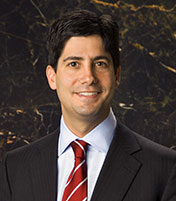
Kevin Warsh: A Shifting Stance on Monetary Policy
The potential nomination of Kevin Warsh as the next Federal Reserve (Fed) Chair has ignited considerable discussion and speculation within economic and political circles. Long seen as a traditional "hawk"—an advocate for higher interest rates to preempt inflation—Warsh's recent pronouncements suggest a significant evolution in his monetary policy views. This shift positions him as a potentially surprising ally for a president who champions dramatically lower rates, setting the stage for a fascinating and potentially transformative era at the nation's central bank should he assume the role of **warsh fed chair**.
Kevin Warsh, at 55, brings a wealth of experience and a distinguished, albeit controversial, track record to the table. He served on the Fed's Board of Governors from 2006 to 2011, making history as the youngest ever appointed at just 35 years old. During his tenure, Warsh navigated the treacherous waters of the 2008-09 Great Recession, a period marked by unprecedented economic turmoil and the Fed's aggressive interventions. At that time, his "hawkish" leanings were evident; he frequently expressed skepticism about prolonged periods of ultra-low interest rates and voiced concerns about the long-term inflationary risks of quantitative easing, even as inflation remained stubbornly subdued. This early stance cemented his reputation as a staunch inflation hawk.
Following his departure from the Fed, Warsh transitioned to influential roles as a fellow at the Hoover Institution, a conservative think tank, and as a lecturer at the Stanford Graduate School of Business. These platforms provided him further opportunities to refine and articulate his economic philosophy. What has recently caught the attention of observers, however, is a discernible pivot in his public statements. In various speeches and opinion pieces, Warsh has appeared to embrace the concept of lower interest rates, a policy preference that starkly contrasts with his earlier convictions but aligns remarkably with the economic agenda of a president keen on an accommodative Fed. This evolution makes his potential appointment as **warsh fed chair** particularly intriguing, signalling a potential departure from his established hawkish identity. To delve deeper into his background and journey, you can read more at
Meet Kevin Warsh: Trump's Nominee for Federal Reserve Chair.
The Implications of a Warsh Fed Chair Nomination
The position of Federal Reserve Chair is arguably one of the most powerful economic roles globally, influencing everything from the cost of borrowing for individuals and businesses to the overall health of the U.S. and, by extension, the global economy. If Kevin Warsh is confirmed as **warsh fed chair**, the implications could be profound and far-reaching, fundamentally altering the Fed's current trajectory under Jerome Powell.
One of the most significant potential shifts lies in the realm of interest rates. Trump has consistently advocated for very low rates, believing them essential to stimulating economic growth and reducing the national debt's carrying cost. Warsh's recent inclination towards lower rates suggests he could be more receptive to these calls than previous Fed chairs who have historically championed the central bank's independence from political influence. This alignment could translate into an era where interest rate decisions are more closely scrutinized, or even subtly guided, by White House preferences, potentially blurring the lines of the Fed's traditional autonomy.
For the average American, a Warsh-led Fed could have tangible effects on personal finances. Lower interest rates, for instance, typically translate into:
- Reduced Borrowing Costs: Mortgages, car loans, and credit card rates could become more affordable, making big-ticket purchases and managing debt potentially easier.
- Stimulated Economic Activity: Lower rates encourage businesses to borrow and invest, potentially leading to job creation and economic expansion.
- Impact on Savers: Conversely, low rates often mean lower returns on savings accounts and certificates of deposit (CDs), impacting those who rely on interest income.
Beyond interest rates, Warsh's alignment with broader Trump-era economic policies, such as deregulation and government spending cuts aimed at reducing inflation, could shape the Fed's approach to banking oversight and broader economic management. His past criticism that Fed policy "has been broken for quite a long time" hints at a willingness to implement significant changes, moving away from current policies that have been in place for years. For a comprehensive look at what his nomination could mean for the future of interest rates, explore
Kevin Warsh at the Fed: What His Nomination Means for Rates.
Navigating the Path to Confirmation and Beyond
The road to becoming **warsh fed chair** is not without its complexities. The selection process itself has been extensive, with Warsh reportedly chosen over other prominent candidates like Trump’s former top economic adviser Kevin Hassett, investment manager Rick Rieder, and current Fed governor Christopher Waller. This competitive field underscores the critical nature of the appointment and the careful consideration given to each candidate's alignment with the administration's economic vision.
Historically, Trump had considered Warsh for the Fed Chair position during his first term but ultimately chose Jerome Powell. The renewed consideration this time around could be influenced by various factors, including Warsh's recent policy shifts and the strong support from key allies, notably his father-in-law, Ronald Lauder, a known Trump supporter and donor. Before his initial Fed appointment, Warsh honed his economic acumen as an economic aide in George W. Bush’s administration and as an investment banker at Morgan Stanley, providing a solid foundation in both policy and market dynamics.
Should Warsh be confirmed, his influence as **warsh fed chair** would be immense, but not absolute. He would be just one of 19 members on the rate-setting Federal Open Market Committee (FOMC). This structure means that while the Chair holds significant sway in shaping the agenda and guiding discussions, major policy shifts require consensus. Other committee members, potentially adhering to more traditional economic doctrines or concerned about rapid, politically-driven rate cuts, could resist drastic changes. Financial markets, ever sensitive to central bank independence and stability, could also react negatively to perceived political interference or overly aggressive policy pivots, particularly if rates were to fall too quickly without clear economic justification. This dynamic highlights the delicate balance between the Chair's vision and the collective wisdom of the FOMC.
Why Kevin Warsh Matters for Your Finances
The potential nomination of Kevin Warsh as **warsh fed chair** is far more than a political event; it’s a critical development that could profoundly impact the financial well-being of every American. Understanding why this matters can help you prepare and make informed decisions.
For Homeowners and Aspiring Buyers:
- Mortgage Rates: The Fed's benchmark interest rates directly influence long-term interest rates, including those for mortgages. A Warsh-led Fed committed to lower rates could mean more affordable monthly mortgage payments for new homebuyers or opportunities for existing homeowners to refinance at lower rates.
- Housing Market Dynamics: Lower rates typically stimulate housing demand, potentially leading to rising home prices. While beneficial for sellers, this could make homeownership less accessible for first-time buyers in competitive markets.
For Borrowers (Auto, Credit Card, Personal Loans):
- Loan Affordability: Most variable-rate loans, including many credit cards and some personal loans, are tied to the prime rate, which moves in tandem with the Fed funds rate. A dovish Fed chair could translate to lower interest payments on your existing debt and more affordable new loans.
For Savers and Retirees:
- Savings Returns: Lower interest rates generally mean reduced returns on savings accounts, money market accounts, and certificates of deposit (CDs). This could necessitate a re-evaluation of savings strategies for those relying on interest income, particularly retirees.
For Investors:
- Market Reactions: Financial markets are highly sensitive to Fed signals. A shift towards consistently lower rates could boost equity markets by making borrowing cheaper for corporations and increasing the appeal of stocks over bonds. However, rapid or unexpected shifts could also introduce volatility.
- Bond Market Dynamics: Lower rates generally cause bond prices to rise (and yields to fall), impacting fixed-income portfolios.
Practical Tips for Navigating Potential Changes:
- Stay Informed: Follow economic news, particularly Fed announcements and statements from its leadership. Understanding the central bank's direction is key.
- Review Your Debt: If you have variable-rate debt, assess how a potential shift in interest rates could affect your payments. Consider consolidating or refinancing if lower rates become a sustained reality.
- Evaluate Your Savings Strategy: If you rely on interest income, explore alternative investment vehicles or strategies that offer potentially higher returns in a low-rate environment, while being mindful of risk.
- Consult a Financial Advisor: For personalized advice, especially concerning long-term investments and retirement planning, a financial expert can help tailor a strategy that aligns with your goals and risk tolerance amid changing monetary policies.
The prospect of Kevin Warsh taking the helm as **warsh fed chair** marks a potentially pivotal moment for the Federal Reserve and the broader economy. His journey from a traditional "rate hawk" to an advocate for lower interest rates signals a fascinating evolution that aligns with a president eager for an accommodative central bank. While the path to confirmation and the execution of policy in a collegial committee environment present their own challenges, the implications for inflation, borrowing costs, and the Fed's independence are undeniable. For individuals and businesses alike, monitoring this key development will be essential for navigating the economic landscape ahead.