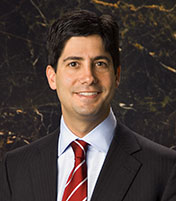
Meet Kevin Warsh: Trump's Nominee for Federal Reserve Chair and What it Means
The nomination of a Federal Reserve Chair is always a pivotal moment for the U.S. and global economies. When former President Donald Trump announced Kevin Warsh as his pick for the next warsh fed chair, potentially replacing Jerome Powell, it immediately sent ripples through financial markets and political circles. This decision signals a potential paradigm shift in the Fed's monetary policy, with profound implications for interest rates, inflation, employment, and the very independence of the central bank. Understanding Kevin Warsh's background, his evolving economic philosophy, and the political context of his nomination is crucial for anyone seeking to grasp the future direction of the American economy.
Who is Kevin Warsh? A Deep Dive into His Background and Expertise
At 55 years old, Kevin Warsh brings a multifaceted background to the table, blending experience from investment banking, government service, and academia. His journey to becoming a potential Federal Reserve Chair is marked by impressive achievements and a rapid ascent through the economic ranks.
- Early Career and Government Service: Warsh began his career as an investment banker at Morgan Stanley, gaining firsthand experience in the financial markets. His acumen quickly caught the attention of policymakers, leading him to serve as an economic aide in President George W. Bush’s administration. This period provided him with invaluable insights into the intersection of policy and real-world economic challenges.
- Youngest Fed Governor Ever: In 2006, at the remarkably young age of 35, Warsh was appointed to the Federal Reserve Board of Governors, making him the youngest individual ever to hold that position. His tenure, from 2006 to 2011, placed him squarely in the eye of the storm during the 2008-09 Great Recession. His experience during this tumultuous period, marked by unprecedented financial crisis and policy responses, undoubtedly shaped his understanding of monetary policy and its limits.
- Post-Fed Intellectual Pursuit: Following his departure from the Fed, Warsh transitioned into academia and policy research. He currently serves as a distinguished fellow at the Hoover Institution, a prominent conservative think tank, and lectures at the Stanford Graduate School of Business. These roles have allowed him to critically analyze economic policy, publish influential opinion pieces, and engage with the next generation of economic leaders. This blend of practical, governmental, and intellectual experience positions Warsh as a deeply knowledgeable, albeit potentially controversial, candidate for the Fed's top job.
The Evolving Stance: From Rate Hawk to Low-Rate Advocate
Perhaps one of the most intriguing aspects of Kevin Warsh’s profile is his apparent evolution on interest rate policy. Traditionally, Warsh was known as a "hawk" – an economist who prioritizes controlling inflation, often advocating for higher interest rates to cool down an overheating economy.
During and immediately after the Great Recession, Warsh expressed significant concerns about the Fed's ultra-low interest rate policies, warning of potential inflationary pressures, even as inflation remained subdued for many years. This hawkish perspective aligned with a more conservative approach to monetary policy, emphasizing price stability above all else.
However, in a significant shift, Warsh has recently voiced support for lower interest rates in various public speeches and opinion pieces. This pivot aligns him more closely with Donald Trump's stated desire for significantly lower borrowing costs to stimulate economic growth. This transformation from a traditional rate hawk to an advocate for lower rates raises important questions:
- What prompted this change? It could stem from a re-evaluation of economic conditions, a new understanding of inflation dynamics in a globalized economy, or a pragmatic alignment with the economic philosophy of the president nominating him.
- Is it a permanent shift or situational? The consistency of this new stance, especially under the pressure of the Fed chair role, will be a key area of observation.
This evolving perspective is central to the discussion around his potential appointment, as it suggests a willingness to adapt, but also raises questions about the underlying principles guiding his monetary policy recommendations. For a deeper dive into this fascinating shift, explore Kevin Warsh: From Rate Hawk to Trump's Low-Rate Ally?
Potential Impact on Monetary Policy and the U.S. Economy
Should Kevin Warsh be confirmed as the next warsh fed chair, the implications for U.S. monetary policy and the broader economy could be substantial. The Fed chair wields immense power, influencing everything from the cost of borrowing to the trajectory of inflation and employment.
- Interest Rates and Borrowing Costs: A Fed led by Warsh, particularly one aligned with Trump's low-rate agenda, could usher in a period of sustained lower interest rates. This would directly impact millions of Americans by reducing the costs of mortgages, car loans, and credit card debt. While seemingly beneficial for borrowers, persistently low rates also have implications for savers and could potentially fuel asset bubbles or future inflation if not managed carefully.
- Inflation and the Dual Mandate: The Federal Reserve operates under a dual mandate: achieving maximum employment and maintaining price stability (low and stable inflation). Warsh's past hawkish stance combined with his more recent low-rate advocacy presents a fascinating dynamic. If he prioritizes growth through low rates, how will he manage the inflation outlook? His past warnings about inflation, even when it stayed low, suggest a cautious approach, but his current alignment with Trump may temper this.
- Banking Regulations: Trump's economic philosophy generally favors deregulation. Warsh, as Fed Chair, could potentially steer the Fed's regulatory arm towards a more relaxed stance on banking rules, which could impact financial stability and the broader banking sector.
- Market Reactions and Fed Independence: Financial markets are highly sensitive to Fed leadership changes. A rapid shift in policy or perceived political influence over the independent central bank could lead to market volatility. While the Fed Chair is powerful, they are still one of 19 members on the rate-setting Federal Open Market Committee (FOMC). Significant policy shifts would require building consensus, and other members may resist drastic rate cuts if they deem them imprudent.
The potential changes under a Warsh chairmanship are significant. To understand the specifics of how his policies might translate into changes for consumers and businesses, consider delving into Kevin Warsh at the Fed: What His Nomination Means for Rates.
Navigating the Fed's Independence: Challenges and Opportunities
The Federal Reserve's independence from political pressure is a cornerstone of its effectiveness. It allows the central bank to make difficult, long-term economic decisions without being swayed by short-term political cycles. However, this independence has frequently been challenged, not least by former President Trump, who repeatedly expressed dissatisfaction with the Fed's rate decisions.
Warsh's nomination places him at the nexus of this critical dynamic. On one hand, his conservative background and intellectual rigor might suggest a commitment to sound, independent monetary policy. On the other, his recent alignment with Trump's low-rate views and the public nature of the nomination process itself could raise questions about the extent of political influence.
- The Confirmation Process: If nominated, Warsh would face a rigorous confirmation hearing in the Senate. Senators would undoubtedly scrutinize his past statements, his evolving views, and his commitment to the Fed's independence. This process is a crucial safeguard, ensuring public accountability for such a powerful position.
- Balancing Acts: As Chair, Warsh would face the ongoing challenge of balancing the Fed's mandated goals with the inevitable political pressures from the White House and Congress. Maintaining credibility both domestically and internationally will hinge on the perception of the Fed's unwavering commitment to its dual mandate, regardless of who occupies the Oval Office.
- Internal Dynamics: The FOMC is a diverse body. While the Chair sets the agenda and wields considerable influence, they must still build consensus among other governors and regional Fed presidents. This collegial structure provides an internal check on any single individual's policy preferences, fostering a more balanced approach.
The role of the Fed Chair is one of the most powerful economic positions globally, and the chosen individual's ability to navigate the complex interplay of economic reality, political expectations, and institutional independence will define their tenure and impact the lives of millions.
Conclusion
The nomination of Kevin Warsh for Federal Reserve Chair by Donald Trump represents more than just a personnel change; it signals a potential ideological shift for one of the world's most influential financial institutions. Warsh's extensive background, from investment banking to Fed Governor during the Great Recession, and his current academic work, equip him with a deep understanding of economic complexities. However, his evolving stance from a traditional rate hawk to a proponent of lower interest rates, seemingly aligning with Trump's desires, sets the stage for a fascinating and potentially contentious era at the Fed.
If confirmed, the warsh fed chair would likely pursue policies favoring lower interest rates, impacting everything from mortgage payments to the national inflation outlook. The challenge for Warsh will be to manage these policy changes while steadfastly upholding the Fed's crucial independence, ensuring its decisions are driven by economic data and its dual mandate, rather than political expediency. The coming months will be critical as the nation watches to see how this experienced, yet evolving, economist charts the course for America's central bank.